NBA in Manchester 2027: What a UK Spread Bettor Should Watch
 Available in US
I was on a coach back from a Liverpool match a few months ago when the NBA Manchester announcement broke, and the WhatsApp group I share with three regulars from Salford lit up before the bus had cleared the M62. None of them had been to The O2 in 2018 or 2026. All of them said they would be at Co-op Live in 2027. That, in one anecdote, is why a regular-season NBA game in Manchester matters in a way that a third or fourth London game would not have. The fan base outside the M25 has been waiting for a fixture they could realistically attend, and the spread market is going to feel the volume.
What I want to walk through is what we know about the Manchester game so far, what the Co-op Live setting brings to the spread pricing equation, what early markets to watch and when, what London 2026 already taught us about how UK books handle these one-off fixtures, and what a UK spread bettor should be doing in the run-up rather than the day of.
Why Manchester Was Chosen and What It Signals
The 2027 Manchester game will be the first NBA regular-season fixture staged in the city, with rumoured returns to Berlin and Paris in 2028 forming part of the league’s expanded European calendar. The choice is not random. UK App engagement metrics drove the decision, and they are striking: a 52% year-on-year increase in NBA live and off-court viewership through January 2025, with the average UK user spending an hour per week on the platform – itself a 24% bump on the previous year. Those are the numbers that justify a second UK regular-season city.
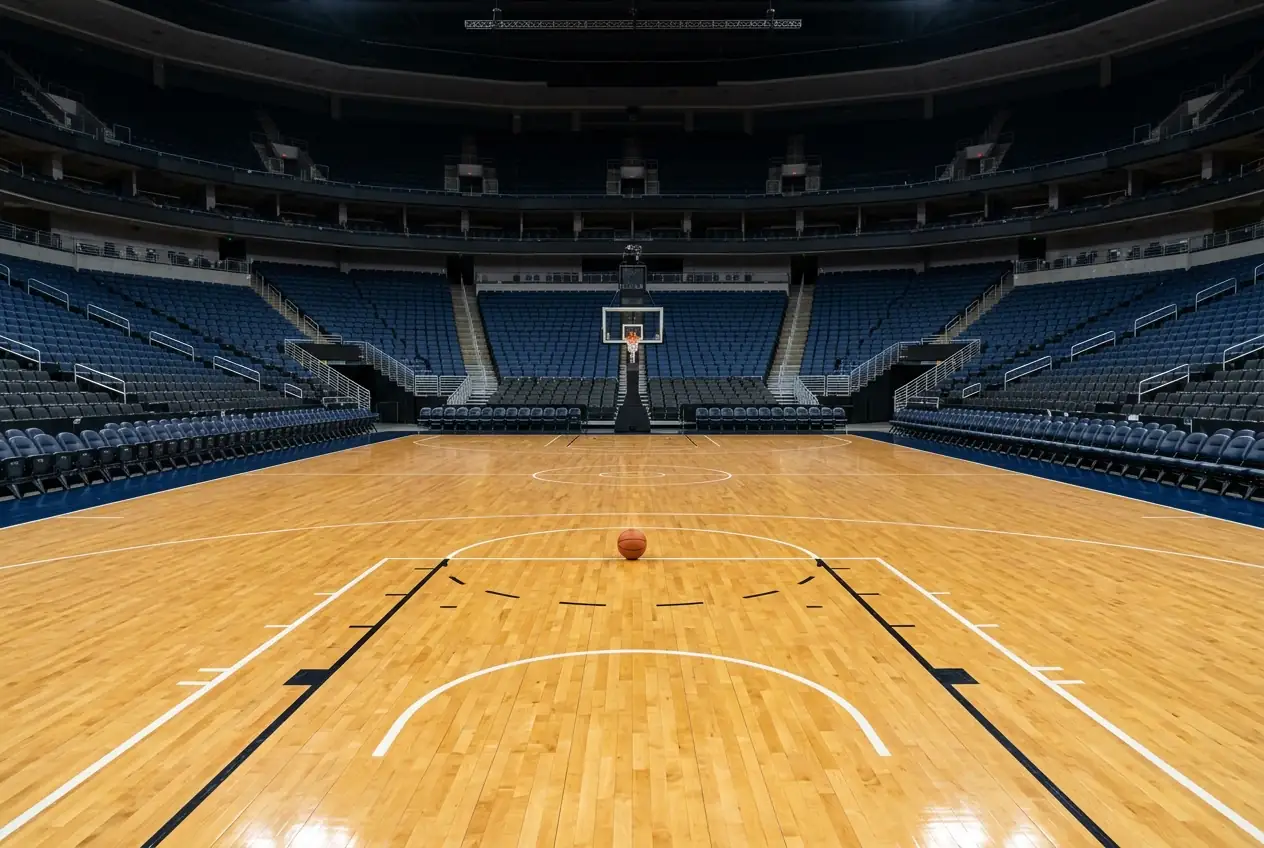
The strategic message is that the league is treating UK basketball not as a one-city niche but as a national audience with depth. Manchester, with its Co-op Live arena holding more than 23,500 spectators, gives them a venue that exceeds The O2 in capacity and unlocks a different demographic. UK spread markets will read this as a structural change rather than a one-off. Books will allocate more pricing resource to NBA UK fixtures going forward because the brand has clearly committed to recurring presence. That changes how seriously you should take the lines on these games – they are no longer novelty markets.
The Co-op Live Arena Effect on Spread Pricing
The Sagarin home court advantage figure of 3.0 points league-wide does not transfer to a neutral-site European fixture, but the arena itself still influences the handicap in subtle ways. Co-op Live is built for amplification – it was designed with acoustic targets that make it one of the loudest indoor venues in Europe. For a basketball game where one team is designated the formal home side, the noise environment can produce a slightly larger crowd-effect bump than a neutral O2 game would.
The reason that matters is that the books pricing the spread will need to make a judgement call about how much of the 3.0-point regular HCA to apply. My read is that they will land somewhere between 1.5 and 2 points, meaning the formally designated home team gets a fractional bump but not the full domestic-floor advantage. Bettors who instinctively take the underdog at neutral pricing in European fixtures will be slightly off; bettors who treat the home designation as worth a full three points will overpay in the other direction. The truth is in between, and the books know it.
Where this gets interesting is the in-arena bet experience for those at the game. Co-op Live’s seating density and noise profile produce a different live spread movement pattern than a quieter venue – runs feel bigger, momentum feels more deterministic, and live handicap markets tend to overcorrect on first-quarter scoring runs. If you are betting in-play from the arena, expect to see more aggressive line movement than the on-court action genuinely warrants.
What Early Markets to Watch and When
Lines on European NBA games tend to open later than equivalent US fixtures and tighten faster as tip-off approaches. For Manchester 2027, I expect the futures market to open in the autumn of 2026 once the matchup is confirmed, with the spread narrowing over a six-to-eight-week window into the game itself. The early window – the first 48 hours after the line drops – is where the softest pricing usually exists, because the books are calibrating against limited volume and adjusting after.
I would watch three specific markets in the run-up. First, the headline spread – note the open and track its movement weekly. Second, the team total markets, which tend to be priced less efficiently than the spread because they receive less attention. Third, the anytime-leading-scorer prop, which is not strictly a handicap market but often telegraphs how books are reading rotation depth, and rotation depth is the thing that moves the spread most when one or both rosters get nicked up.
What I would not do is bet the spread the moment it opens. I would watch the first line movement, see which side the early money goes on, and then ask whether the steam is sharp or recreational. Sharp money on a UK regular-season game is rare – most early money on these fixtures is fan-driven – and that is actually good news for a careful bettor.
What London 2026 Already Taught Us
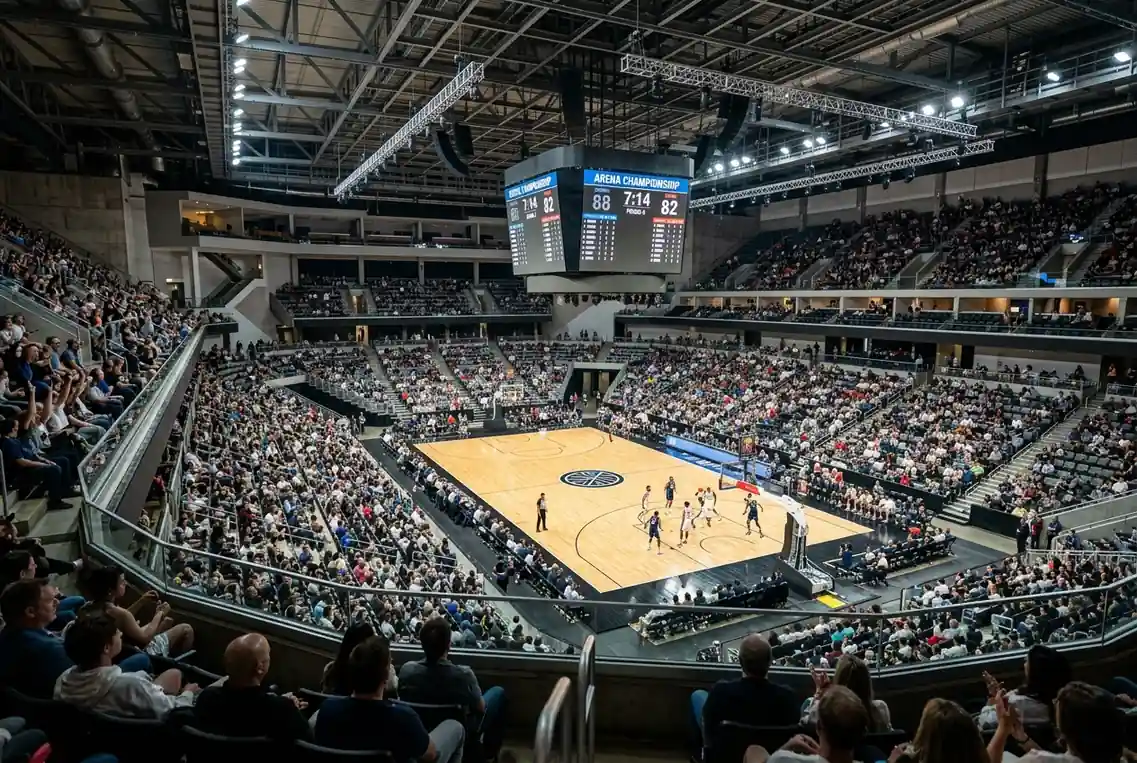
The Memphis-Orlando fixture at The O2 on 18 January 2026 was the 19th NBA game in the UK since 1993 and the 10th regular-season game in London. It generated useful data for what to expect in Manchester. Three lessons stand out.
The first is that UK book margins on these games run tighter than on routine fixtures. London 2026 saw spread prices on both sides at -105 (1.95) at multiple bookmakers – a roughly 2.5% margin compared with the typical 4.5%-5%. Books absorb the lower edge to capture volume from casual fans who only bet NBA on the marquee night. Expect Manchester to follow the same pattern, possibly with even tighter margins because the fan-engagement curve has continued to climb.
The second lesson is that the spread itself was tightly contested and priced close. Memphis-Orlando opened at a 1.5-point spread and never moved more than half a point either way. The market did not produce significant value either through opening softness or closing-line drift. That suggests UK books are now treating these fixtures with the seriousness of a Christmas Day slate, not a curio. Bettors waiting for an obvious soft number will likely be disappointed in Manchester too.
The third lesson is more useful: the underdog covered. Stand-alone marquee NBA games on neutral floors have a slight historical lean toward underdogs covering the spread, partly because the favourite plays slightly less aggressively in a non-competitive context and partly because the underdog tends to elevate when the cameras are on. That is a tendency rather than a guarantee, but it is worth keeping in your mental model. For a deeper breakdown of how the actual spread on the London 2026 fixture was constructed and why neutral-floor lines behave the way they do, see how UK books built the handicap for the 2026 London Game.
Bettor Takeaways for the Run-Up
The temptation with a marquee fixture is to load up. Do not. The right approach with Manchester 2027 is the same as with any other NBA game – assess the matchup, find the price you like, and stake the same unit you would on a Tuesday in February. The novelty does not improve the value; it usually compresses it.
What does help is being early. Open an account or top up before the line drops, watch the first 48 hours, and bet only if a number you genuinely like surfaces. If it does not, the league plays five other games that night that will. The Manchester game is an event. It is not the only NBA wager available that evening, and treating it as such has cost UK bettors money in every previous European NBA fixture.
Track which UK bookmakers post the line first. The earliest poster usually offers the softest pricing. Track which bookmaker offers the tightest margin once the field has caught up. These are useful habits that compound across all NBA fixtures – Manchester just makes them more visible.
Are NBA Manchester game odds expected to open earlier than London 2026’s?
Likely yes. UK books opened London 2026 lines roughly four days before tip-off; the volume that arrived in those four days has incentivised earlier posting for Manchester. A reasonable expectation is opening lines 7-10 days before tip-off, with the headline spread possibly available even earlier as a futures-style market once the matchup is confirmed.
Does the larger arena change the way UK books price the spread?
Marginally. Co-op Live’s larger capacity and louder acoustic profile may push the home-designation crowd effect slightly higher than at The O2, but UK books are unlikely to apply the full 3-point regular-season home court advantage to a one-off neutral-floor fixture. The number you see will reflect the matchup more than the venue.
Prepared by the nba Handicap Betting editorial staff.